inexpensivecockroach65

The modern job market is changing rapidly because of technology, digital transformation, and the growing use of the internet. Many businesses now depend on digital tools to communicate with customers, manage operations, promote products, and deliver services. As a result, people with valuable online skills have more opportunities to explore different career paths.
Whether you are a student, a recent graduate, a job seeker, or someone interested in earning money online, learning practical digital skills can help you build a stronger professional future.
One of the biggest advantages of online learning is flexibility. You can develop new abilities from home using a computer, smartphone, and internet connection. Many free and affordable educational resources are also available, making it easier for beginners to get started.
However, choosing the right skill is important. Some skills are suitable for creative individuals, while others are better for people who enjoy technology, communication, or problem-solving.
In this article, we will explore some of the best online skills to learn for better career opportunities and explain how you can get started.
1. Digital Marketing
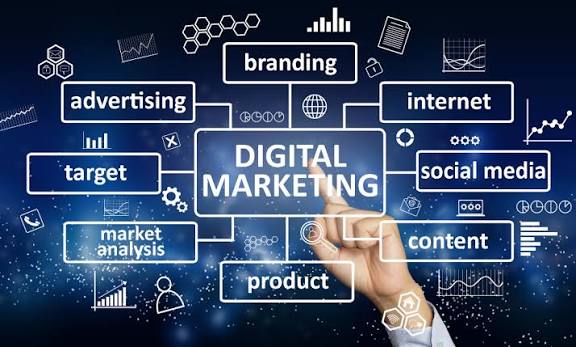
Digital marketing is one of the most useful skills in today’s business environment. Companies of all sizes use online platforms to promote their products, attract customers, and build brand awareness.
Digital marketing involves several activities, including search engine optimization (SEO), social media marketing, email marketing, content marketing, and online advertising.
People who understand digital marketing can help businesses improve their online visibility and reach potential customers.
Career opportunities in digital marketing:
- Digital Marketing Specialist
- SEO Specialist
- Social Media Manager
- Content Marketing Executive
- Email Marketing Specialist
- PPC Advertising Specialist
How to get started:
Begin by learning the fundamentals of digital marketing. Understand how search engines work, how social media platforms attract audiences, and how businesses create effective advertising campaigns.
You can explore free learning resources from Google Skillshop, HubSpot Academy, and other educational platforms.
Digital marketing is especially useful for people who enjoy creativity, communication, research, and business strategy.
2. Graphic Design
Graphic design is another valuable online skill for people with creative interests. Businesses need attractive visual content to communicate their messages and promote their products.
Graphic designers create logos, social media graphics, advertisements, brochures, website visuals, and other digital materials.
As online businesses continue to grow, the demand for professional visual content remains an important part of digital communication.
Career opportunities in graphic design:
- Graphic Designer
- Logo Designer
- Social Media Designer
- Brand Identity Designer
- Marketing Designer
- Freelance Visual Designer
How to get started:
Start by learning basic design principles such as color combinations, typography, spacing, composition, and visual hierarchy.
Beginners can practice with tools such as Canva, while more advanced learners can explore Adobe Photoshop and Adobe Illustrator.
Create sample designs and build a portfolio to demonstrate your abilities. A strong portfolio can help potential clients or employers understand the quality of your work.
3. Web Development
Web development is an important technical skill because businesses, organizations, and individuals need websites to establish their online presence.
Web developers build and maintain websites, web applications, and other internet-based services.
There are several areas of web development, including frontend development, backend development, and full-stack development.
Frontend developers work on the parts of websites that visitors interact with. Backend developers manage server-side functions, databases, and application logic.
Career opportunities in web development:
- Frontend Developer
- Backend Developer
- Full-Stack Developer
- WordPress Developer
- Website Maintenance Specialist
- Web Application Developer
How to get started:
Learn the basic technologies of web development:
- HTML for website structure.
- CSS for styling and layout.
- JavaScript for interactive features.
- Git and GitHub for managing and sharing code.
After learning the fundamentals, practice by creating simple projects such as personal websites, landing pages, and small web applications.
Web development requires patience and regular practice, but it can provide opportunities in companies, agencies, startups, and freelance marketplaces.
4. Content Writing and Copywriting
Content writing is an excellent skill for people who enjoy researching information and communicating ideas through words.
Businesses need high-quality written content for websites, blogs, product descriptions, newsletters, and social media platforms.
Copywriting focuses more specifically on writing persuasive content designed to encourage readers to take action, such as purchasing a product or signing up for a service.
Career opportunities in content writing:
- Blog Writer
- Website Content Writer
- SEO Content Writer
- Copywriter
- Product Description Writer
- Technical Writer
How to get started:
Improve your grammar, vocabulary, research, and writing structure. Learn how to organize articles using headings, paragraphs, and relevant keywords.
Understand the basics of search engine optimization so you can create content that is useful to readers and easy for search engines to understand.
You can build a portfolio by writing sample blog posts on topics that interest you.
Artificial intelligence tools can assist with brainstorming, research organization, and editing, but original thinking, fact-checking, and high-quality writing remain essential.
5. Video Editing
Video content has become a major part of online communication. Businesses, educators, content creators, and social media influencers use videos to share information and reach audiences.
Video editing involves arranging video clips, adding transitions, improving audio, inserting captions, and creating an engaging viewing experience.
People who develop professional video editing skills can work with YouTube creators, marketing agencies, businesses, and independent clients.
Career opportunities in video editing:
- Video Editor
- YouTube Video Editor
- Social Media Video Editor
- Short-Form Video Editor
- Promotional Video Editor
- Motion Graphics Assistant
How to get started:
Learn the fundamentals of video editing, including cutting clips, arranging timelines, adding text, adjusting audio, and using transitions effectively.
Beginners can practice with tools such as CapCut and DaVinci Resolve. More advanced learners can explore Adobe Premiere Pro and After Effects.
Create a collection of sample videos to demonstrate your editing style and technical abilities.
6. Data Analysis

Data analysis is becoming increasingly important because organizations collect large amounts of information and need people who can understand and interpret it.
Data analysts examine information to identify patterns, understand trends, and help businesses make informed decisions.
This skill is useful in industries such as finance, healthcare, retail, education, marketing, and technology.
Career opportunities in data analysis:
- Junior Data Analyst
- Business Intelligence Analyst
- Marketing Data Analyst
- Reporting Analyst
- Research Analyst
How to get started:
Start by learning Microsoft Excel or Google Sheets. These tools help users organize information, calculate results, and create charts.
After understanding spreadsheets, explore SQL for working with databases and Power BI or Tableau for data visualization.
Python is another useful skill for people interested in more advanced data analysis.
You do not need to learn everything immediately. Start with the fundamentals and gradually build your knowledge through practical projects.
7. Search Engine Optimization (SEO)
Search engine optimization is the process of improving websites so that their pages can become more visible in relevant search engine results.
Businesses want their websites to reach people who are searching for their products, services, or information. SEO helps organizations improve their online visibility through useful content, technical improvements, and website optimization.
SEO is closely connected to digital marketing and content creation.
Career opportunities in SEO:
- SEO Specialist
- SEO Content Strategist
- Technical SEO Assistant
- Keyword Research Specialist
- SEO Consultant
How to get started:
Learn the basic concepts of SEO, including keyword research, search intent, on-page optimization, technical SEO, and link building.
Practice by creating and optimizing your own website or blog. Learn how to use Google Search Console and Google Analytics to understand website performance.
SEO takes time and continuous learning because search engines regularly update their systems. However, it is a valuable skill for people interested in websites, content, and online business growth.
8. Artificial Intelligence and AI Tools
Artificial intelligence is creating new opportunities across many industries. Businesses increasingly use AI-powered tools to improve productivity, analyze information, automate repetitive tasks, and support creative work.
Learning how to use AI tools effectively can complement other professional skills.
For example, AI applications can help marketers organize campaigns, assist writers with research, support developers with coding tasks, and help businesses analyze information.
Career opportunities related to AI include:
- AI Content Specialist
- AI Automation Assistant
- Machine Learning Engineer
- AI Application Developer
- AI Research Assistant
How to get started:
Begin by understanding the basic concepts of artificial intelligence and machine learning.
Practice using AI tools for research, writing assistance, data organization, and productivity. Learn how to create effective prompts and evaluate AI-generated results.
If you are interested in a technical career, explore programming languages such as Python, statistics, machine learning, and data science.
Remember that AI tools are most valuable when combined with human judgment, creativity, and subject knowledge.
9. Virtual Assistance
Virtual assistance is a flexible online career option for people who have strong organizational and communication skills.
Virtual assistants help businesses and professionals manage everyday administrative tasks remotely.
Their responsibilities may include responding to emails, scheduling appointments, organizing documents, researching information, and managing basic customer support activities.
Career opportunities in virtual assistance:
- General Virtual Assistant
- Administrative Assistant
- Customer Support Assistant
- Social Media Assistant
- E-commerce Assistant
How to get started:
Develop skills in email communication, document management, scheduling, spreadsheet software, and online collaboration tools.
Learn to use applications such as Google Workspace, Microsoft Office, and project management platforms.
Good communication, reliability, attention to detail, and time management are particularly important in this profession.
10. Cybersecurity
As businesses and individuals depend more heavily on digital technology, protecting online information has become increasingly important.
Cybersecurity focuses on protecting computer systems, networks, applications, and sensitive information from digital threats.
Organizations need professionals who understand how to identify security risks, protect systems, and respond to potential attacks.
Career opportunities in cybersecurity:
- Security Analyst
- Cybersecurity Specialist
- Network Security Assistant
- Information Security Analyst
- Security Operations Center Analyst
How to get started:
Begin by learning computer fundamentals, networking, operating systems, and basic security concepts.
You can then explore ethical hacking, security monitoring, risk assessment, and incident response through legal training environments.
Cybersecurity requires continuous learning because digital threats and security technologies change over time.
How to Choose the Right Online Skill
With so many online skills available, choosing one can feel confusing. The best option depends on your interests, strengths, career goals, and available learning time.
Consider the following factors before making a decision:
1. Identify your interests: If you enjoy creativity, graphic design or video editing may be suitable. If you enjoy technology, web development or cybersecurity may be better choices.
2. Understand market needs: Research job descriptions and freelance projects to see which skills employers and clients are requesting.
3. Consider your current abilities: Choose a skill that matches your existing knowledge while giving you room to grow.
4. Set realistic goals: Decide whether you want a full-time job, freelance work, a career change, or a skill to support your existing profession.
5. Build practical experience: Employers and clients often want evidence of what you can do. Practice projects and a professional portfolio can help demonstrate your abilities.
Free Resources to Learn Online Skills
You do not always need to spend money to start learning. Several online platforms provide useful educational resources for beginners.
Here are some popular options:
- Google Skillshop: Training and learning resources for Google’s digital products and advertising tools.
- HubSpot Academy: Free courses covering digital marketing, sales, and content marketing.
- freeCodeCamp: Free programming lessons and practical coding projects.
- Coursera: Online courses and professional learning programs from universities and organizations, with free-access options on some courses.
- YouTube: Tutorials and practical lessons covering almost every digital skill.
Choose reputable learning materials and focus on courses that include practical exercises.
Conclusion
Learning online skills is one of the practical ways to prepare for better career opportunities in today’s digital world. Digital marketing, graphic design, web development, content writing, video editing, data analysis, SEO, artificial intelligence, virtual assistance, and cybersecurity are all valuable areas worth exploring.
However, success does not come from learning many skills at once. It comes from choosing one suitable skill, practicing consistently, and developing the ability to solve real problems.
Start with free learning resources, work on small projects, and gradually build a portfolio that demonstrates your abilities.
The digital economy continues to create new opportunities. By investing time in learning useful online skills, you can improve your professional confidence and prepare yourself for a wider range of career possibilities.