inexpensivecockroach65
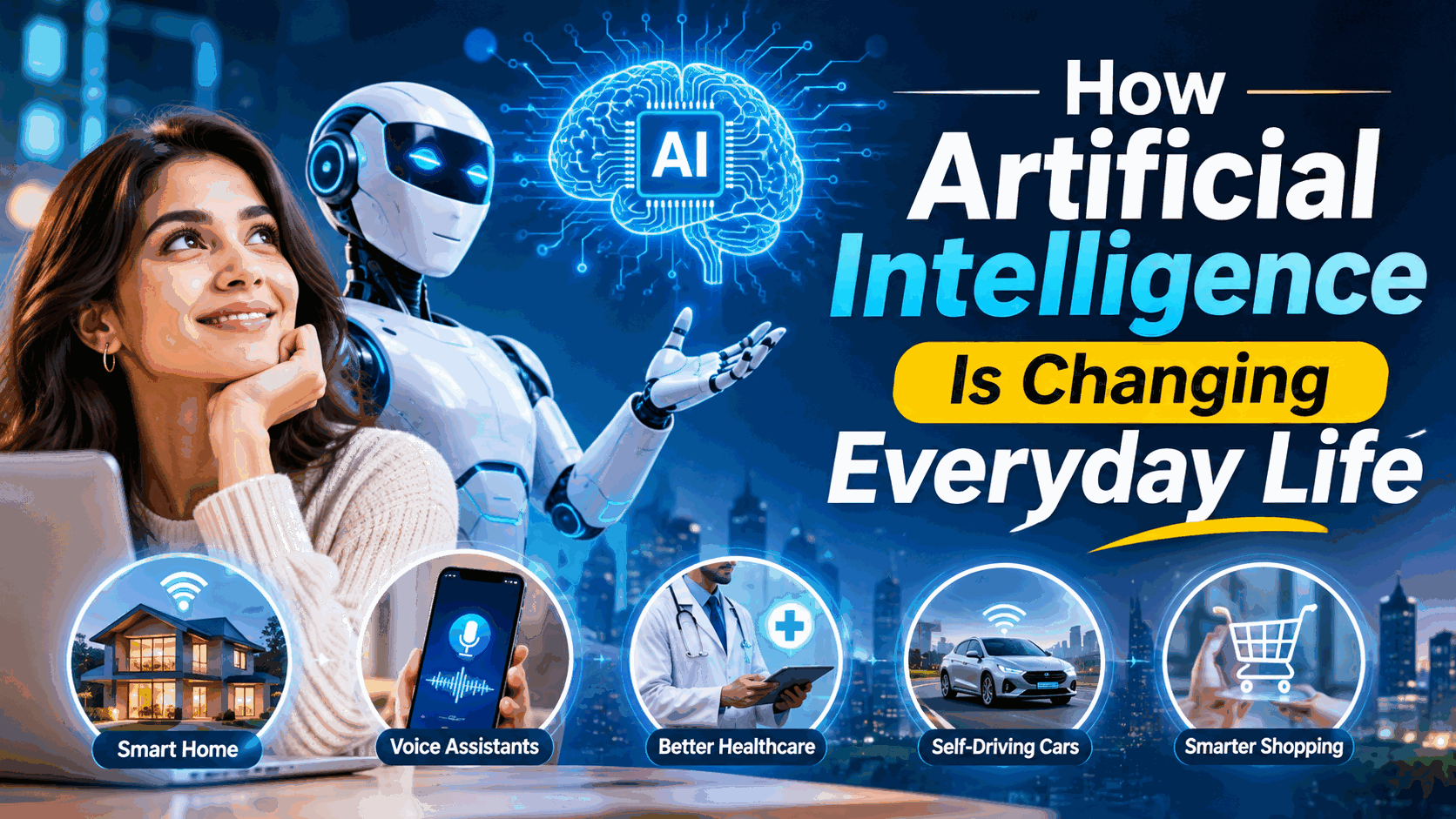
Artificial intelligence (AI) has become one of the most influential technologies of the modern world. From smartphones and online shopping to healthcare, education, and transportation, AI is changing how people live, work, communicate, and make decisions. What once seemed like a concept from science fiction is now part of everyday life.
In 2026, artificial intelligence is no longer limited to large technology companies or advanced research laboratories. Millions of people use AI-powered tools every day, often without even realizing it. Virtual assistants, recommendation systems, smart devices, and automated customer services are just a few examples of how AI has become part of modern society.
But how exactly is artificial intelligence changing everyday life? Let’s explore its growing influence across different areas.
1. Artificial Intelligence Is Making Communication Easier
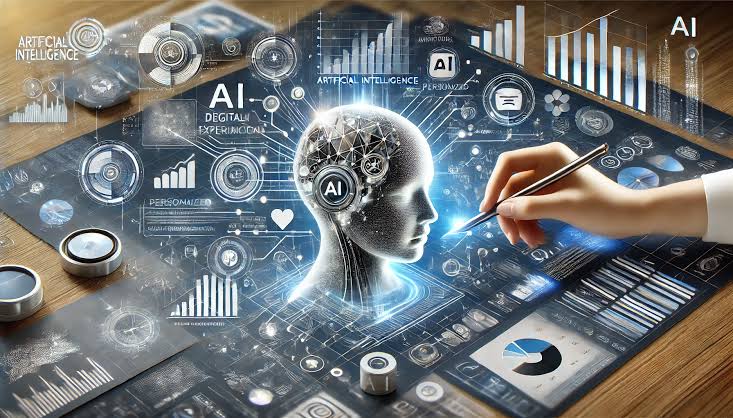
Communication has changed significantly with the development of artificial intelligence. Modern messaging applications, translation tools, and virtual assistants use AI to help people communicate more efficiently.
For example, AI-powered translation tools allow users to communicate with people who speak different languages. Speech recognition technology can convert spoken words into written text, making communication easier for people who prefer voice commands or have accessibility needs.
AI writing assistants also help individuals write emails, improve grammar, summarize information, and organize their thoughts. These tools are especially useful for students, professionals, and businesses.
As AI technology continues to improve, communication is becoming faster, more accessible, and more convenient.
2. AI Is Transforming Education and Learning
Education is another area experiencing major changes because of artificial intelligence. Traditional learning methods are increasingly supported by digital platforms and intelligent educational tools.
AI-powered learning applications can analyze a student’s performance and suggest lessons based on their individual needs. This allows students to focus on subjects they find difficult while progressing at a comfortable pace.
Students can also use AI tools to understand complicated topics, practice languages, generate study plans, and receive explanations of academic concepts.
Teachers benefit from these technologies as well. AI can help prepare educational materials, organize information, and reduce repetitive administrative tasks.
However, AI should support education rather than replace critical thinking, creativity, and direct interaction between teachers and students.
3. Artificial Intelligence Is Improving Healthcare
Healthcare is one of the most important industries benefiting from AI technology. Medical professionals are increasingly using AI-powered systems to analyze medical images, organize patient information, and support clinical decision-making.
For example, AI-assisted systems can help doctors examine medical scans and identify patterns that may require further investigation. Some tools can also assist hospitals in managing appointments, patient records, and administrative work.
Wearable devices and health applications use AI-related technologies to analyze activity patterns, sleep information, and other measurements. These features can help people better understand their daily health habits.
Despite these benefits, AI cannot replace qualified healthcare professionals. Medical decisions should always involve appropriate clinical expertise, and patient information must be protected.
4. AI Is Changing the Way People Shop Online
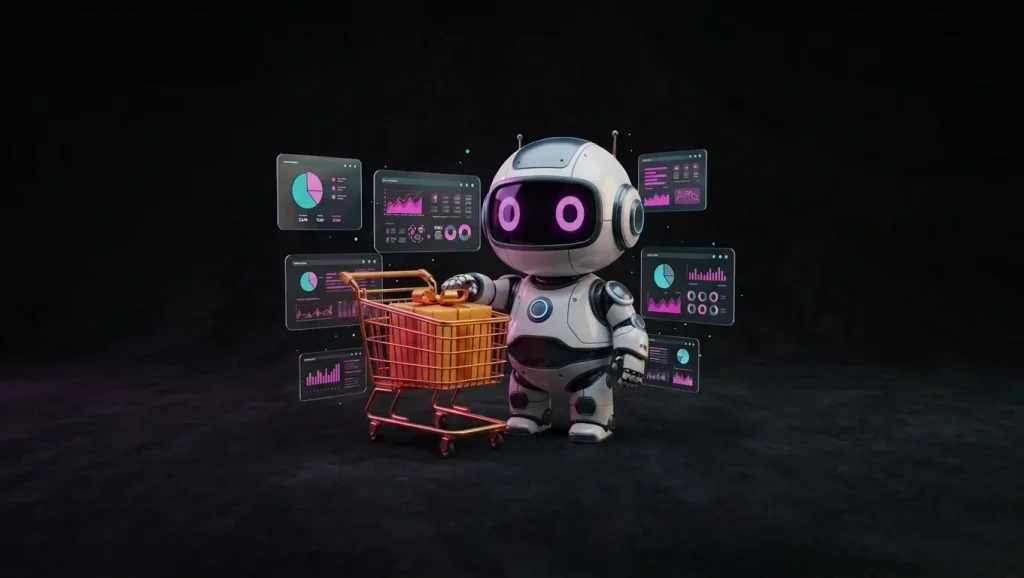
Online shopping has become more personalized through artificial intelligence. Many e-commerce platforms use AI algorithms to understand customer interests and recommend products that match their preferences.
When someone searches for a product, an AI-powered system may suggest similar items, display relevant recommendations, or provide personalized shopping experiences.
AI chatbots are also helping online stores answer common customer questions. They can provide information about products, delivery policies, and order updates.
Businesses benefit from these systems because they can understand customer behavior, improve product recommendations, and provide faster support.
For consumers, AI can make online shopping more convenient by reducing the time needed to find suitable products.
5. Artificial Intelligence Is Making Work More Efficient
AI is changing workplaces by helping employees complete repetitive tasks more quickly and efficiently.
Businesses now use AI-powered software for data analysis, document management, customer support, scheduling, and content organization.
For example, an employee can use an AI assistant to summarize a long document, organize meeting notes, or generate an initial draft of a business report.
In manufacturing, AI-powered systems can monitor equipment, identify unusual patterns, and support quality control. In offices, automation tools can reduce repetitive administrative work.
Although AI may change certain job responsibilities, it also creates opportunities in fields such as AI development, data analysis, cybersecurity, and technology management.
The ability to work alongside AI tools is becoming an increasingly valuable professional skill.
6. AI Is Making Smartphones and Smart Homes Smarter
Many people interact with artificial intelligence through their smartphones without thinking about it.
Modern smartphones use AI-powered features for photography, voice recognition, facial recognition, predictive text, and battery optimization.
Smart home technology is another example. AI-enabled devices can help control lighting, adjust temperature settings, manage security cameras, and operate household appliances.
Voice assistants allow users to perform simple tasks through spoken commands, such as setting reminders, checking information, or controlling compatible smart devices.
These technologies can make everyday activities more convenient while helping people manage their homes more efficiently.
7. Artificial Intelligence Is Transforming Entertainment
Entertainment platforms are using AI to personalize the content people see and enjoy.
Streaming services recommend movies, television programs, and music based on viewing and listening behavior. Social media platforms also use recommendation algorithms to organize content that may interest individual users.
AI is also changing creative industries. Content creators can use AI tools to generate ideas, edit images, improve audio quality, and assist with video production.
However, the growing use of AI-generated content raises important questions about originality, copyright, and misinformation. Users should evaluate digital content carefully rather than assuming everything they see online is authentic.
8. The Challenges and Risks of Artificial Intelligence
Although artificial intelligence offers many advantages, it also creates challenges that individuals and society must address.
Privacy concerns: AI systems often depend on large amounts of information. Poor data protection can create risks for personal privacy and security.
Job displacement: Automation may reduce demand for certain repetitive tasks and require workers to develop new skills.
Misinformation: AI-generated images, videos, and written content can sometimes be used to spread misleading information.
Bias and fairness: AI systems may produce unfair results if they are trained using incomplete or biased data.
Overdependence on technology: Depending too heavily on AI can reduce opportunities to develop independent problem-solving and critical-thinking skills.
Addressing these challenges requires responsible technology development, appropriate regulation, digital education, and public awareness.
9. How People Can Use AI Responsibly
People do not need advanced technical knowledge to benefit from artificial intelligence. However, understanding how to use it responsibly is important.
Here are some practical suggestions:
- Use trusted AI applications for learning, research, and productivity.
- Avoid sharing sensitive personal or financial information with AI tools.
- Verify important information using reliable sources.
- Review AI-generated content before publishing or sharing it.
- Continue developing creativity, communication, and critical-thinking skills.
- Understand that AI can make mistakes and should not always be treated as an authority.
Using AI thoughtfully can help people enjoy its benefits while reducing potential risks.
10. What Does the Future of Artificial Intelligence Look Like?
Artificial intelligence is expected to play an increasingly important role in future technological development.
Advances in machine learning, robotics, natural language processing, and automation may create new opportunities across healthcare, education, transportation, agriculture, and business.
For example, intelligent agricultural systems could help farmers monitor crops and use resources more efficiently. AI-powered transportation systems may support safer traffic management, while educational technologies could offer more personalized learning experiences.
However, the future of AI will depend not only on technological progress but also on how responsibly individuals, businesses, and governments use it.
The most successful approach will likely involve combining human creativity, judgment, and experience with the speed and analytical capabilities of artificial intelligence.
Conclusion
Artificial intelligence is changing everyday life in ways that were difficult to imagine just a few years ago. It is improving communication, supporting education, assisting healthcare professionals, transforming online shopping, and making workplaces more efficient.
At the same time, AI introduces challenges involving privacy, employment, misinformation, and responsible use.
Rather than viewing artificial intelligence as a replacement for human intelligence, people should consider it a powerful tool that can support their abilities and make everyday activities easier.
As technology continues to develop, understanding artificial intelligence and learning how to use it responsibly will become increasingly important. The future belongs to people who can combine technological knowledge with human creativity, experience, and critical thinking.