inexpensivecockroach65

Managing money wisely is an important life skill that can help people achieve financial stability and reduce everyday stress. Whether you are a student, an employee, a freelancer, or a business owner, understanding how to manage your income and expenses can make a significant difference in your financial future.
Many people work hard to earn money but struggle to save because of unnecessary spending, poor budgeting, and a lack of financial planning. Small purchases, monthly subscriptions, online shopping, and unexpected expenses can gradually reduce available savings.
The good news is that improving your financial habits does not always require earning more money. Sometimes, making better decisions with the money you already have is enough to create meaningful progress.
By following a few practical money management tips, you can control your expenses, increase your savings, and work toward your financial goals.
1. Create a Monthly Budget
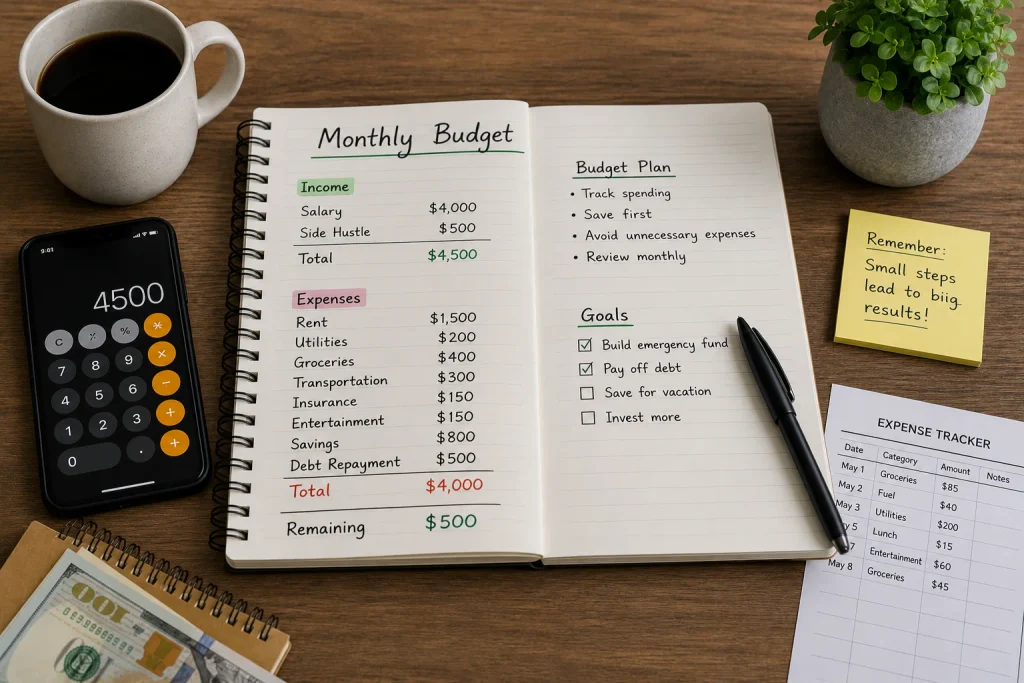
Creating a monthly budget is one of the most effective ways to manage your money. A budget helps you understand how much money you earn, where your money goes, and how much you can save.
Without a clear budget, it is easy to spend more than planned. You may not notice how much you spend on food, transportation, entertainment, or online shopping until the end of the month.
A simple budget can help you stay organized and make better financial decisions.
How to create a monthly budget:
- Calculate your total monthly income.
- List your essential expenses, such as rent, food, and transportation.
- Identify non-essential spending.
- Decide how much money you want to save.
- Review your budget regularly.
You can use a notebook, spreadsheet, or budgeting application to track your finances.
The most important thing is to create a budget that matches your actual income and lifestyle.
2. Set Clear Financial Goals
Saving money becomes easier when you have a specific reason to save. Financial goals give you direction and help you stay motivated.
For example, you might want to save money for education, a new computer, a family vacation, starting a business, or building an emergency fund.
Instead of simply saying, “I want to save money,” create a specific and realistic target.
Examples of financial goals include:
- Saving a certain amount every month.
- Building an emergency fund.
- Paying off outstanding debt.
- Saving for a major purchase.
- Preparing for future education expenses.
- Planning for long-term financial security.
You can divide your goals into three categories:
Short-term goals: Goals you want to achieve within a year.
Medium-term goals: Goals that may take one to five years.
Long-term goals: Goals that require several years of planning and saving.
Write down your goals and review your progress regularly. Having a clear purpose can make it easier to avoid unnecessary spending.
3. Follow the 50/30/20 Budgeting Rule
The 50/30/20 budgeting rule is a popular method for organizing personal finances. It divides your after-tax income into three main categories.
50% for needs: Essential expenses such as housing, groceries, transportation, utilities, and necessary bills.
30% for wants: Non-essential expenses such as entertainment, shopping, dining out, and hobbies.
20% for savings and debt repayment: Money reserved for savings, emergency funds, and paying down debt.
For example, if your monthly take-home income is $1,000, the suggested allocation would be:
- $500 for essential needs.
- $300 for personal wants.
- $200 for savings and debt repayment.
These percentages are guidelines, not strict rules. If your essential expenses are high, you may need to adjust the proportions to match your financial situation.
The main purpose is to create a balance between spending, saving, and enjoying your income.
4. Track Your Daily Expenses
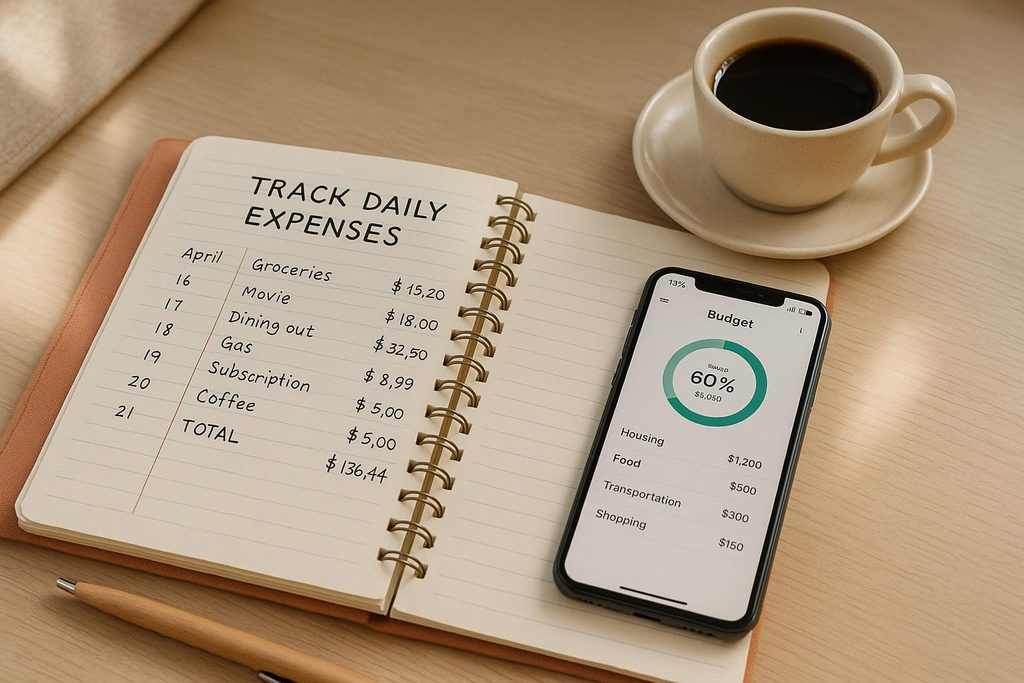
One of the easiest ways to improve money management is to track every expense.
Small purchases may seem unimportant individually, but they can add up over time. Daily snacks, food delivery, transportation, entertainment, and online purchases can consume a surprising amount of money.
Tracking your expenses helps you understand your spending patterns and identify areas where you can save.
Simple ways to track expenses:
- Write down purchases in a notebook.
- Use a spreadsheet to organize spending.
- Check your bank or mobile payment statements.
- Use a budgeting application.
- Review your expenses at the end of each week.
After tracking your expenses for a month, look for spending habits that can be improved.
For example, preparing meals at home more often or reducing unnecessary online purchases may help you save a meaningful amount.
5. Build an Emergency Fund
Unexpected expenses can happen at any time. Medical bills, vehicle repairs, job loss, or urgent family needs can create financial pressure if you do not have savings available.
An emergency fund is money reserved specifically for unexpected situations.
Having an emergency fund can reduce the need to borrow money or depend on credit during difficult periods.
A common financial planning goal is to gradually build an emergency fund covering three to six months of essential living expenses. However, you can begin with a smaller target if that feels more realistic.
Tips for building an emergency fund:
- Start by saving a small amount regularly.
- Keep emergency savings separate from everyday spending money.
- Use the fund only for genuine emergencies.
- Increase contributions when your income allows.
- Rebuild the fund after using it.
The important thing is to start. Even a small emergency fund can provide some financial protection.
6. Reduce Unnecessary Spending
Reducing unnecessary expenses is one of the fastest ways to create more room in your budget.
Many people spend money on things they do not really need. Impulse purchases, unused subscriptions, frequent restaurant visits, and unnecessary upgrades can gradually affect their financial health.
You do not need to stop enjoying life to save money. Instead, focus on making more thoughtful spending decisions.
Practical ways to reduce spending:
- Make a shopping list before visiting stores.
- Compare prices before buying products.
- Cancel subscriptions you rarely use.
- Avoid impulse purchases.
- Set a reasonable entertainment budget.
- Choose affordable alternatives when possible.
One useful strategy is to wait 24 hours before purchasing non-essential items. This gives you time to decide whether the purchase is actually necessary.
Small changes in spending habits can create meaningful savings over time.
7. Save Money Before Spending
Many people follow the habit of spending their income first and saving whatever remains. Unfortunately, there may be very little money left at the end of the month.
A better approach is to save a portion of your income immediately after receiving it.
This method is commonly known as paying yourself first.
For example, if you receive your monthly salary, transfer a planned amount into your savings account before paying for non-essential purchases.
Benefits of this habit include:
- Encouraging consistent saving.
- Reducing unnecessary spending.
- Making financial goals easier to achieve.
- Building better money management discipline.
You can also automate regular transfers if your bank or financial service offers this feature.
Start with an amount you can comfortably afford and increase it gradually as your financial situation improves.
8. Be Careful with Debt and Credit
Borrowing money can sometimes be necessary, but managing debt responsibly is important for long-term financial stability.
High-interest debt can become difficult to manage when payments are delayed or borrowing increases.
Before taking a loan or using credit, understand the interest rate, repayment schedule, additional fees, and total amount you will need to repay.
Smart ways to manage debt:
- Avoid borrowing for unnecessary purchases.
- Pay bills and loan installments on time.
- Understand the total cost of borrowing.
- Prioritize high-interest debt when planning repayments.
- Avoid taking new debt to cover regular spending whenever possible.
If you already have multiple debts, create a repayment plan and focus on making consistent progress.
Responsible borrowing and careful financial planning can help prevent unnecessary financial pressure.
9. Shop Smart and Compare Prices
Smart shopping is another useful way to save money without sacrificing quality.
Before purchasing something, compare prices from different stores or online platforms. Look for discounts, special offers, and affordable alternatives.
However, a lower price does not always mean a better deal. Consider product quality, durability, warranty, and long-term value.
Smart shopping tips:
- Compare prices before making major purchases.
- Look for genuine discounts.
- Avoid buying products simply because they are on sale.
- Purchase essential items in reasonable quantities.
- Check product reviews before ordering online.
- Plan shopping around your actual needs.
A little research before purchasing can help you avoid unnecessary expenses and make better financial decisions.
10. Develop a Long-Term Saving Habit
Financial stability is usually built through consistent decisions over time rather than one large saving effort.
Even if your income is limited, developing a regular saving habit can help you prepare for future needs.
You can begin with a small monthly contribution and increase it whenever your income grows or expenses decrease.
Once you have built an emergency fund, you may also explore suitable long-term saving or investment options based on your financial goals and risk tolerance.
Before making investment decisions, understand the potential risks, fees, and terms. Avoid financial opportunities that promise guaranteed high returns without explaining the risks.
Remember that protecting your money is just as important as growing it.
Common Money Management Mistakes to Avoid
Even people who understand basic financial planning can make mistakes that affect their savings.
Here are some common habits worth avoiding:
1. Spending without a budget: Without a spending plan, it becomes difficult to control expenses.
2. Ignoring small purchases: Frequent small expenses can gradually become a large monthly cost.
3. Saving only when money is left: Waiting until the end of the month often makes consistent saving difficult.
4. Using credit carelessly: Unplanned borrowing and high-interest debt can create long-term financial problems.
5. Ignoring emergency savings: Unexpected expenses can force people to borrow money when they have no financial backup.
6. Comparing your lifestyle with others: Trying to match other people’s spending habits can lead to unnecessary purchases and financial pressure.
Learning from these mistakes can help you develop healthier financial habits.
Conclusion
Smart money management is not about becoming wealthy overnight or avoiding every enjoyable purchase. It is about understanding your income, controlling expenses, saving regularly, and making thoughtful financial decisions.
Simple habits such as creating a monthly budget, setting financial goals, tracking expenses, building an emergency fund, and reducing unnecessary spending can help you improve your financial situation.
You do not need to make every change at once. Start with one or two practical steps and gradually develop better habits.
The sooner you take control of your finances, the more prepared you can be for unexpected expenses and future opportunities.
Remember, successful money management begins with small decisions made consistently. Saving more and spending less today can help you build a more secure financial future tomorrow.